
Safe Mold Removal Techniques and Services

Updated: Sep 22, 2025
Mold growth in homes and buildings is a common problem that can lead to serious health issues and structural damage. Addressing mold promptly and correctly is essential to maintain a safe living environment. This article explores effective mold removal services and techniques, providing practical advice to help you manage mold safely and efficiently.
Understanding Mold and Its Risks
Mold is a type of fungus that thrives in damp, warm environments. It reproduces by releasing spores into the air, which can settle on surfaces and grow if moisture is present. Common places for mold growth include bathrooms, basements, kitchens, and areas with water leaks.
Mold exposure can cause allergic reactions, respiratory problems, and other health issues, especially for people with asthma or weakened immune systems. It can also damage building materials like drywall, wood, and insulation, leading to costly repairs.
Common Signs of Mold Infestation
Musty or earthy odors
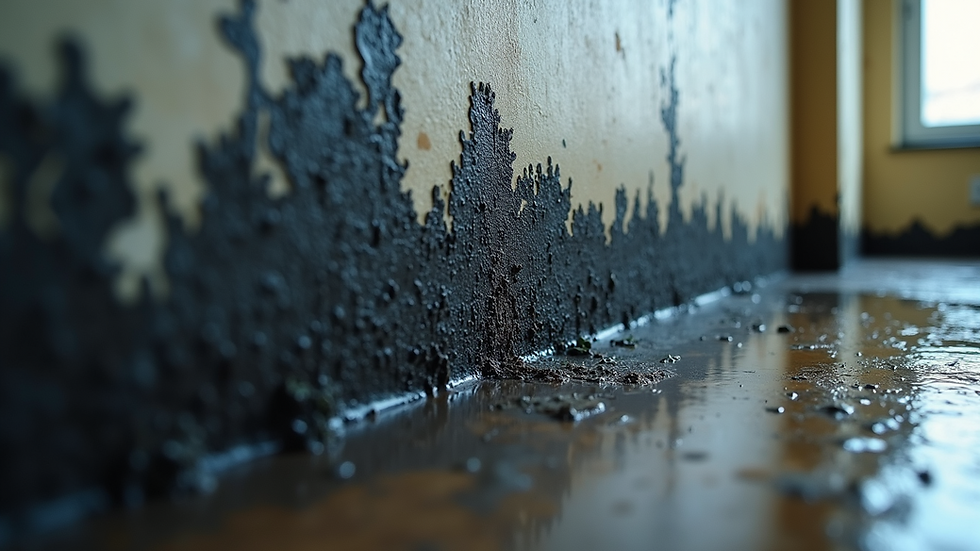
Visible black, green, or white patches on walls, ceilings, or floors
Water stains or discoloration on surfaces
Peeling paint or wallpaper
Increased allergy symptoms indoors
Identifying mold early is crucial to prevent its spread and minimize health risks.
Choosing Professional Mold Removal Services
When mold infestation is extensive or located in hard-to-reach areas, professional mold removal services are the safest and most effective option. Certified mold remediation experts have the training, equipment, and experience to handle mold safely and thoroughly. Call Global One Cleaning & Restoration for a quote at 203 646-2036
What to Expect from Mold Removal Services
Inspection and Assessment
Professionals will inspect your property to identify the extent of mold growth and moisture sources. This may include using moisture meters and air quality tests.
Containment
To prevent mold spores from spreading during removal, affected areas are sealed off using plastic sheeting and negative air pressure systems.
Removal and Cleaning
Moldy materials are removed or cleaned using specialized techniques and antimicrobial treatments. Porous materials like drywall or carpet may need to be discarded.
Drying and Repair
Moisture sources are addressed, and affected areas are dried thoroughly to prevent mold from returning. Repairs to damaged structures may also be performed.
Post-Remediation Testing
After cleanup, air and surface tests ensure that mold levels are safe and the problem is resolved.
Benefits of Hiring Professionals
Access to industrial-grade equipment and cleaning agents
Proper disposal of contaminated materials
Reduced risk of mold spreading or recurring
Compliance with health and safety regulations

DIY Mold Removal Techniques: When and How to Do It
For small mold patches (less than 10 square feet), homeowners can attempt mold removal themselves using safe and effective methods. However, if mold covers a larger area or is caused by contaminated water, professional help is recommended.
Steps for Safe DIY Mold Removal
Protect Yourself
Wear gloves, goggles, and an N95 respirator mask to avoid inhaling spores or touching mold.
Ventilate the Area
Open windows and use fans to increase airflow and reduce spore concentration.
Fix Moisture Problems
Identify and repair leaks or sources of dampness before cleaning mold.
Clean Moldy Surfaces
Use a mixture of water and detergent or a commercial mold cleaner. Scrub surfaces with a brush or sponge.
Disinfect
Apply a solution of diluted bleach (1 cup bleach to 1 gallon water) to kill remaining mold spores. Never mix bleach with ammonia or other cleaners.
Dry Thoroughly
Use fans or dehumidifiers to dry the area completely.
Dispose of Contaminated Mapiterials
Seal moldy rags or sponges in plastic bags before discarding.
Surfaces Suitable for DIY Cleaning
Non-porous surfaces like glass, metal, and hard plastics
Painted or sealed wood
Tiles and grout
Avoid cleaning porous materials like drywall or ceiling tiles yourself, as mold can penetrate deeply.

Preventing Mold Growth in Your Home
Prevention is the best strategy to avoid mold problems. Maintaining a dry and well-ventilated environment reduces the chances of mold growth.
Practical Tips to Prevent Mold
Control Humidity
Keep indoor humidity below 60% using dehumidifiers or air conditioners.
Fix Leaks Promptly
Repair plumbing leaks, roof damage, and window seals immediately.
Improve Ventilation
Use exhaust fans in bathrooms and kitchens. Open windows when weather permits.
Clean and Dry Wet Areas
Dry wet carpets, upholstery, and floors within 24-48 hours.
Use Mold-Resistant Products
Consider mold-resistant drywall and paint in moisture-prone areas.
Regular Inspections
Check basements, crawl spaces, and attics for signs of moisture or mold.
Why Safe Mold Removal Matters
Mold removal is not just about cleaning visible patches. It requires careful handling to avoid spreading spores and causing health risks. Using safe mold removal techniques ensures that mold is eliminated effectively without compromising indoor air quality or safety.
Improper removal can worsen mold problems or expose occupants to harmful spores. Always follow recommended safety guidelines or consult professionals for large infestations.
Taking Action for a Mold-Free Environment
Mold can be a persistent and hazardous problem, but with the right knowledge and approach, it can be managed successfully. Whether you choose professional mold removal services or safe DIY methods, addressing mold promptly protects your health and property.
Regular maintenance, moisture control, and vigilance are key to preventing mold from returning. If you suspect a serious mold issue, do not hesitate to seek expert help to ensure a thorough and safe resolution.
By investing in effective mold removal and prevention, you create a healthier, more comfortable living space for you and your family.


Comments